If you have ever tried to buy gold Hobart, you have probably noticed something confusing almost immediately. You check the gold price online. You feel confident. Then you visit a dealer website or walk into a shop and the price is higher than what you just saw.

So what exactly are you paying for?
The short answer is this: when you buy physical gold, you never pay only the spot price. The difference between the spot price and the actual purchase price is called the premium. In simple terms, it is the extra amount added on top of the market price of gold.
But that leads to a better question. If the gold price is already set by global markets, why does a premium even exist in the first place?
Let’s start at the foundation.
The spot price of gold is the price for raw gold traded on global markets at that exact moment. It changes constantly because it is influenced by supply, demand, trading activity, and international markets.
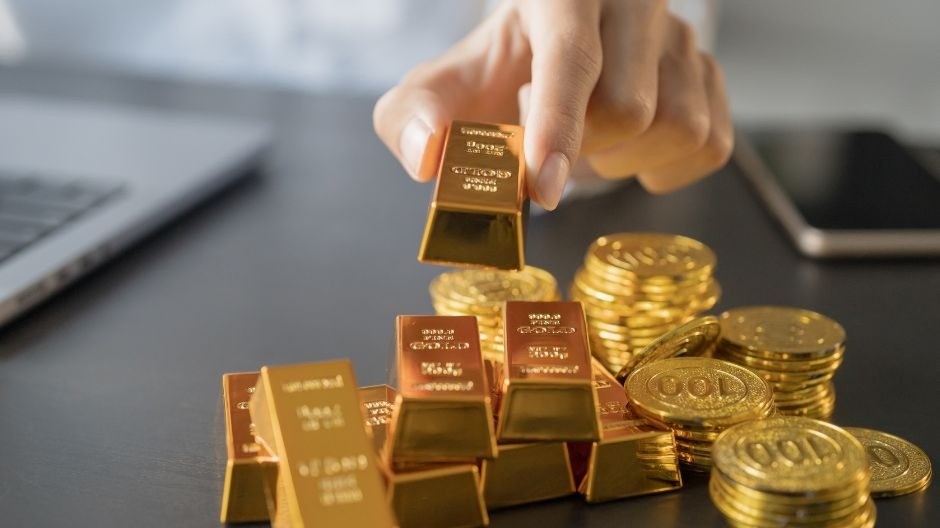
Now here is where things get interesting. The gold you see in a shop or online store is not raw gold traded between banks. It is a finished product. That means it has already gone through refining, minting, packaging, storage, and transport before it even reaches a buyer.
So ask yourself this: if a company has to refine gold, turn it into a coin or bar, ship it safely, and store it securely, would it make sense for them to sell it at the exact same price they paid for the raw metal?
Of course not. That is where the premium comes in.
But not all premiums are the same. And this is where many new buyers get confused.
Why does one gold coin cost more than another even if both contain the same amount of gold?
The answer is surprisingly simple. Some gold products are more expensive to produce than others. Coins often have higher premiums than bars because they involve more detailed minting and branding. Smaller pieces usually carry higher premiums than larger ones because production costs are spread over less gold.
Think about it this way. Would it cost more to manufacture one large item or ten smaller ones using the same material? The same logic applies when you buy gold.
This is also why understanding premiums matters so much when you buy gold Hobart. Many people focus only on the gold price itself. But experienced buyers look at how much they are paying above that price.
Another important question is this. Do premiums stay the same all the time?
Not at all. Premiums can rise when demand for physical gold increases. If many people want to buy at the same time, dealers and mints may struggle to keep up with demand, and the premium grows. When demand drops and supply becomes easier, premiums usually become smaller again.
So instead of asking only “What is the gold price today?”, a smarter question might be: “What is the premium today?”
Once you start thinking that way, the whole gold market becomes easier to understand.
In the end, the premium is not something negative. It is simply the price of turning raw gold into something real that you can hold, store, and sell in the future. And if you plan to buy gold Hobart, understanding premiums will help you avoid overpaying and make better decisions.
Because the smartest gold buyers are not just watching the price. They are watching the value.


